Hi-Desert Water District Water Cooler banner with logo and tagline
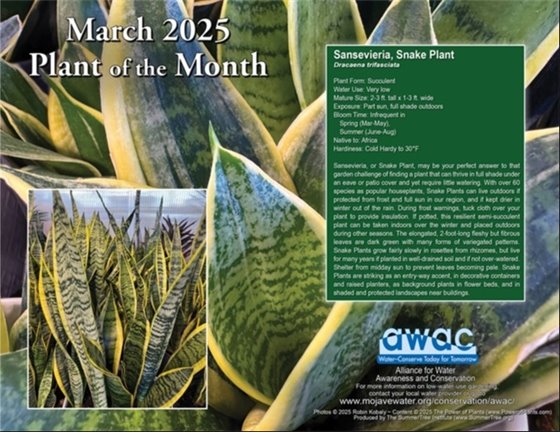
Plant of the month Sansevieria Snake Plant jpg
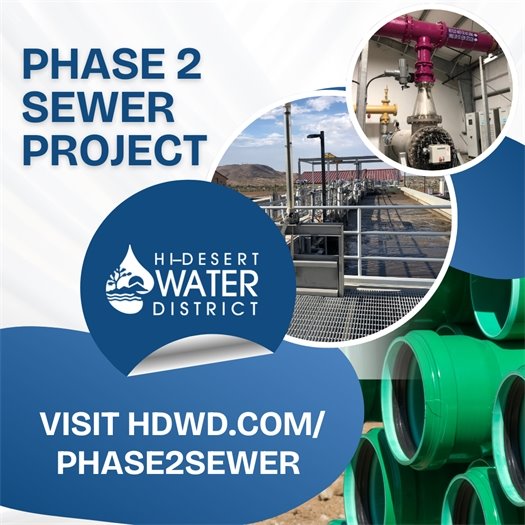
wastewater and green pipe

Phase 2 Sewer Update

The Phase 2 area, combined with Phase 3, is estimated to cost $180 million. Construction for the sewer collection system in portions of Phase 2 will be grant-funded, with planning underway and construction expected to begin sometime in 2025. The construction boundaries will include parts of Country Club, Storey Park, and Sky Harbor.

Project Team

Owner's Representative: NV5
Progressive Design Build Team: West Coast Civil – Finalizing design, conducting a western Joshua tree census, and handling pre-construction permitting activities.

Sukut Construction – Managing the construction schedule and activities once all necessary permits and approvals are obtained.

Grant Funding

The Hi-Desert Water District has been awarded nearly $104 million from the Clean Water State Revolving Fund to expand the sewer collection system. This funding covers:

  • Sewer collection pipelines
  • Service laterals
  • Street paving

Note: Grant funds do not cover private property connections. All funds must be spent before December 31, 2025.

Private Property Connections

Property owners will be notified once the sewer line is complete and will have six months to connect.

Property owners must cover the costs of:

  • Connecting to the sewer lateral at the property line
  • Decommissioning the septic system
  • The average connection cost is around $5,000, though actual costs may vary due to factors such as:
    • Distance to the sewer line
    • Property improvements (driveways, block walls, landscaping)
    • Presence of western Joshua trees
    • Property owners can hire licensed contractors or complete the work themselves if they obtain the necessary permits and inspections.

Permit Information:

  • Permits are issued by the Town of Yucca Valley.
  • Final inspections are conducted by the Town and Water District.
  • See Town of Yucca Valley septic tank abandonment standards (sewerstandar.pdf) for additional details.

Financial Assistance

The District does not have funding for a financial assistance program for private property connections, but the United States Department of Agriculture has the following program:

  • Low-income homeowners over age 62 can apply for assistance through the USDA Section 504 Home Repair Program for loans or grants to help with sewer connections.
  • Contact: USDA Local Office, 81077 Indio Blvd, Suite A, Indio, CA 92201
  • Phone: (760) 347-3675

Monthly Sewer Charges and Fees (Upon Connection)*

Single Family Residential (SFR): $53.25/month ($639 annually)
Multi-Family Residential (MFR): $39.94/month per unit
Mobile Home Property (MHP): $31.95/month per mobile home
Non-Residential Properties: Charges based on monthly water usage

*Note: Connection fees for Phase 2 are yet to be determined and may result in additional charges. The District will establish these fees in a future public board meeting.

Stay Informed

Sign up for Phase 2 Project Updates to receive the latest information on construction schedules, costs, and important deadlines.

For further details, visit the Hi-Desert Water District website or contact the District directly.
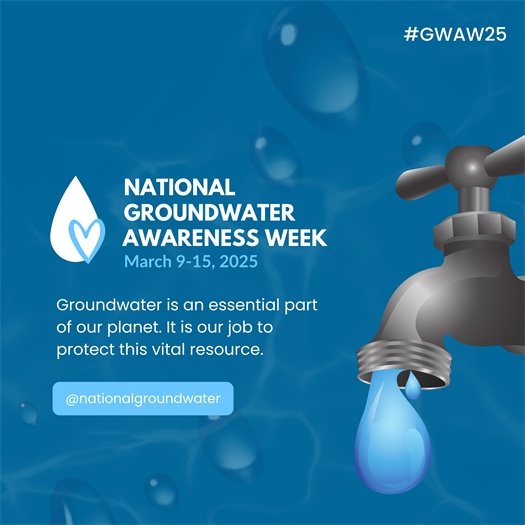
Groundwater awareness week

Protecting Our Groundwater: 
A Commitment to Sustainability

Groundwater is one of our most precious resources, providing essential water supplies for homes and businesses. At Hi-Desert Water District, we are dedicated to managing and protecting our groundwater resources to ensure a sustainable supply for generations to come. By eliminating septic systems, carefully managing groundwater levels, and strategically importing water from the State Water Project, we are taking proactive steps to safeguard our local water supply.

The Impact of Septic Systems on Groundwater

Septic systems can pose a significant threat to groundwater quality. When not properly maintained, these systems can leak contaminants such as nitrates, bacteria, and household chemicals into the soil, ultimately reaching groundwater sources. To prevent this risk, we built the sewer system in downtown Yucca Valley, where most of our wells are located and are expanding it to allow for the elimination of septic systems. This shift not only protects water quality but also enhances public health and environmental sustainability.

Managing Groundwater Levels for Long-Term Reliability

Sustaining a balanced groundwater level is crucial to preventing over-extraction and land subsidence. Through advanced monitoring and groundwater recharge efforts, we ensure that water is replenished at a rate that meets or exceeds usage. Our district employs innovative technologies to track groundwater conditions and implement conservation measures that help maintain a stable and resilient water supply.

The Role of the State Water Project

To supplement our local water resources, we import water from the State Water Project. This strategic approach reduces stress on groundwater supplies while supporting long-term sustainability. By purchasing imported water, we enhance reliability and improve water quality for our customers.

Our groundwater recharge programs play a vital role in replenishing aquifers.

A Shared Responsibility

Protecting groundwater is a collective effort. We encourage residents and businesses to participate by conserving water, properly disposing of household chemicals, and supporting initiatives that promote water sustainability.

By taking proactive steps today, we can secure a reliable water future for our community. Thank you for partnering with us in our mission to protect and sustain our groundwater resources.

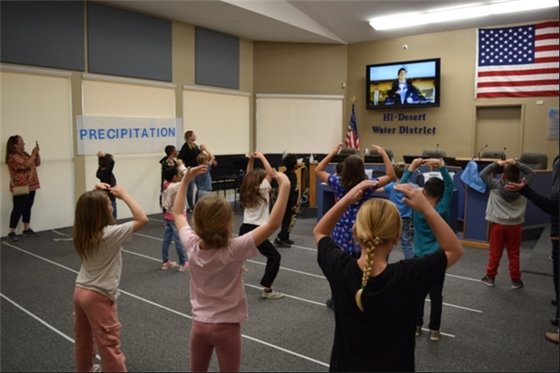
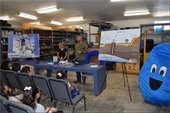
Kids participating in a YouTube Video Water Dance learning about the water cycle.

Yucca Valley Elementary School 
Water Field Trip

Second graders at Yucca Valley Elementary School visited the Hi-Desert Water District to learn about water. They danced to a YouTube video explaining the water cycle and became water wizards, learning about condensation. They learned about water conservation, the water system, and groundwater recharge. 

Water utility workers explaining the water system and fire hydrants
Photo of water workers explaining groundwater
Photo of 2nd Grade Classes on water field trip at Hi-Desert Water


Water Conservation Tips

Desert Landscape

Save Water, Save the Desert—Plant Native and Be Water Wise

Water is life in the desert, and every drop counts. As we face hotter, drier conditions, it’s time to rethink how we use water, especially in our yards and gardens. One of the best ways to conserve water is by planting native desert vegetation and avoiding water-thirsty lawns.

Why Go Native?

Desert-native plants, such as agaves, ocotillos, mesquites, sage, yuccas, and desert marigolds, are perfectly adapted to thrive in our arid climate. Unlike traditional grass lawns, which require frequent watering, fertilizers, and maintenance, native plants naturally conserve water while providing beauty and habitat for local wildlife.

The Problem with Lawns

Grass lawns are among the biggest water wasters. In hot climates, maintaining a lawn requires thousands of gallons of water each year, not to mention the added costs of fertilizers, pesticides, and mowing. By replacing grass with drought-tolerant plants, decorative gravel, or xeriscaping, you can cut water use dramatically while still enjoying a beautiful outdoor space. We believe grass at parks and shared sports facilities is the smart way to use our water wisely. 

Water Wisely Indoors and Outdoors

Beyond planting smart, adopting simple water-wise habits makes a big difference:

  • Water plants early in the morning or late in the evening to reduce evaporation.
  • Use drip irrigation instead of sprinklers to target roots efficiently.
  • Collect rainwater in barrels for garden use.
  • Fix leaks and install low-flow faucets, showerheads, and toilets indoors.
  • Only run dishwashers and washing machines with full loads.
  • Purchase EPA rated Water Sense products with high efficiency ratings when possible.

By making these small but powerful changes, we can protect our water supply and keep our desert landscape thriving for generations to come. Let’s plant wisely, conserve water, and plan for the future.

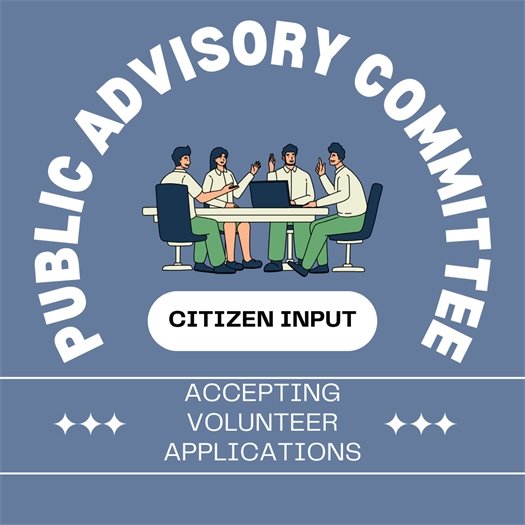
We need volunteers to serve on our Public Advisory Committee.  They meet every other month on the 2nd Monday at 5 p.m. Click the image below for more details.

men and women around a round table (jpg)

Click to visit the PAC page on our website or contact Codi Mix directly at 760.228.6285.

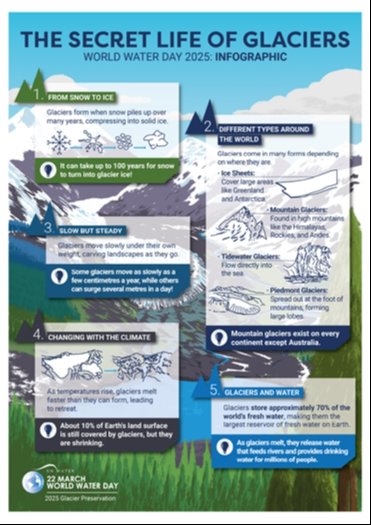
World Water Day March 22, 2025 Infographic about Glaciers

CLICK THE IMAGE TO GET MORE INFORMATION.

Help Yourself Help Yourself Emergency Event 4/12/2025 Flyer

CLICK THE IMAGE TO VISIT OUR EMERGENCY PREPAREDNESS PAGE.

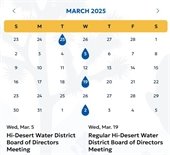
March 2025 Calendar (jpg)

UPCOMING SCHEDULED MEETINGS:

March 5, 2025 - Regular Board Meeting
March 19, 2025 - Regular Board Meeting 

Committee meetings are scheduled as needed.

Our Board meetings are regularly scheduled for 4:00 p.m. on the 1st and 3rd Wednesday of every month and are open to the public. You may attend in person or virtually.

Check our District calendar on our website or subscribe to receive email notifications for 
upcoming meetings and events.

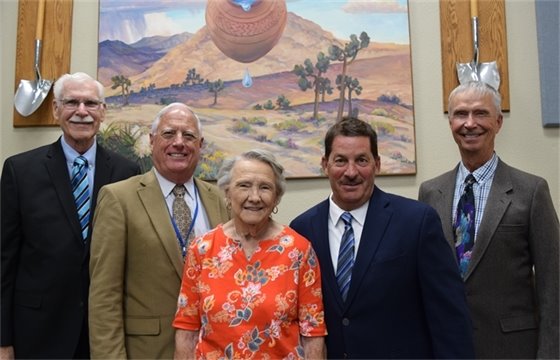
Photo of the Hi-Desert Water District Board of Directors

Board of Directors

 Director Roger Mayes, Director Sheldon Hough, Vice President Sue Tsuda, President Scot McKone, Director Bob Stadum

rock sculpture in front of building

Visit our website at www.hdwd.com

Phone 760.365.8333 or email info@hdwd.com

We are open Mon - Thurs 7:30 a.m. to 5:00 p.m. Closed Friday - Sunday and holidays

To report a water leak call 24 hours a day / 7 days a week.

Share on Facebook
Share on Twitter
Share via Email

Copyright 2025 Hi-Desert Water District. All Rights Reserved.
55439 29 Palms Hwy., Yucca Valley, CA 92284

Powered by
CivicSend - A product of CivicPlus